Autism Spectrum Disorder (ASD) is a lifelong neurodevelopmental condition that affects how a person communicates, interacts with others, learns, experiences the world, and processes information. Autism is called a “spectrum” because it affects each individual differently. Every person with autism has unique strengths, challenges, abilities, and support needs.
Autism is not an illness or disease. It is a different way of experiencing and interacting with the world. With understanding, support, and appropriate resources, individuals with autism can learn, grow, develop meaningful relationships, and lead fulfilling lives.
At Autism Mega Mom and Family, we believe that education is one of the most powerful tools for building acceptance, reducing stigma, and creating opportunities for individuals with autism and their families.
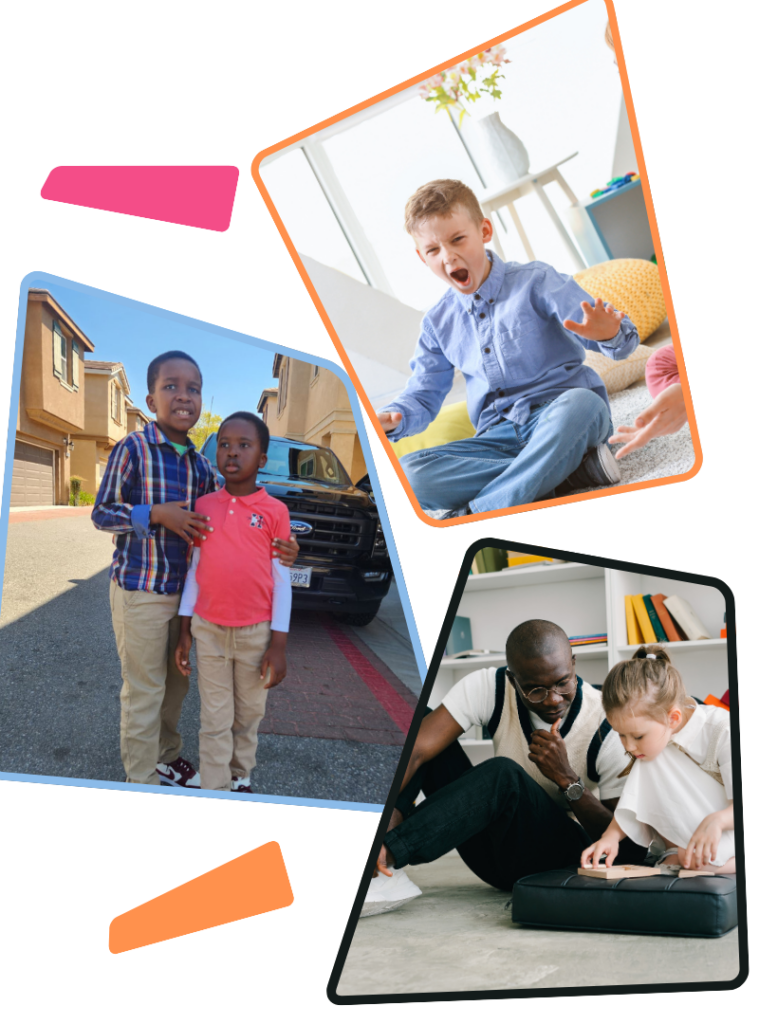
Autism Spectrum Disorder (ASD) is a neurodevelopmental condition that can affect a person’s ability to:
Some individuals may have delayed speech, limited verbal communication, or communicate in ways that differ from others. Some may use assistive communication devices or alternative methods to express themselves.
Individuals with autism may experience challenges understanding social cues, building relationships, maintaining conversations, or expressing emotions in ways others expect.
Many autistic individuals learn differently. Some may require additional educational support, while others may excel in specific areas such as mathematics, art, music, technology, memory, or problem-solving.
Many individuals with autism experience heightened or reduced sensitivity to sounds, lights, textures, smells, tastes, or touch.
Some individuals may prefer predictable routines and may find sudden changes difficult. Repetitive behaviors or focused interests are also common characteristics.
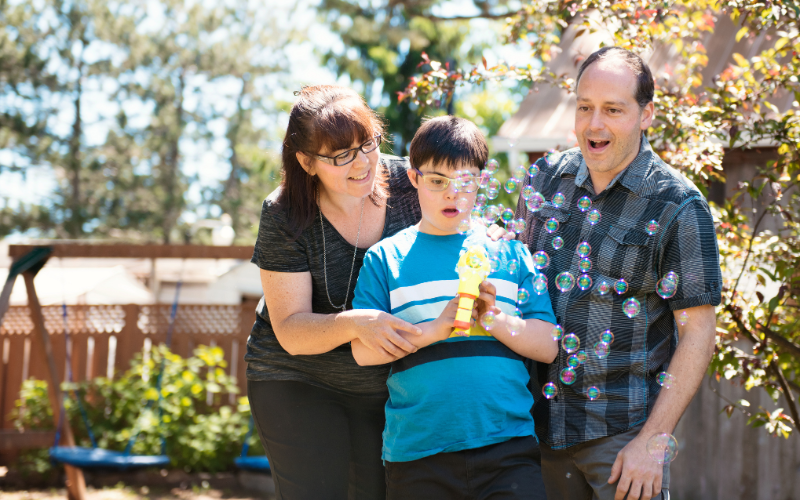
One of the most important gifts you can give a child or individual with autism is unconditional love.
Love should be expressed not only through words but through patience, understanding, kindness, acceptance, and daily actions. Every individual deserves to feel valued, respected, and supported regardless of their abilities or challenges.
Your support goes a long way
For many families, receiving an autism diagnosis can bring a range of emotions, including confusion, fear, uncertainty, sadness, relief, or even grief. These feelings are normal and understandable.
Some parents may grieve the expectations they had for their child’s future. It is important to understand that grieving does not mean you love your child any less. Rather, it is often part of adjusting to unexpected news and learning a new path forward.
Acceptance is not giving up on your child.
Acceptance means:
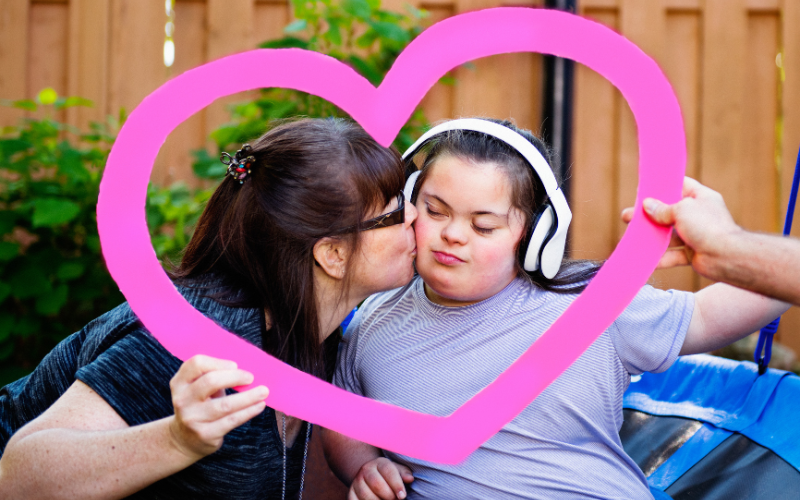
When families accept a diagnosis, they are better positioned to access resources, pursue therapies when appropriate, and create opportunities that support their child’s development and well-being
Your support goes a long way
Early intervention refers to services and support provided during a child’s early years when the brain is developing rapidly.
Early intervention may help improve:
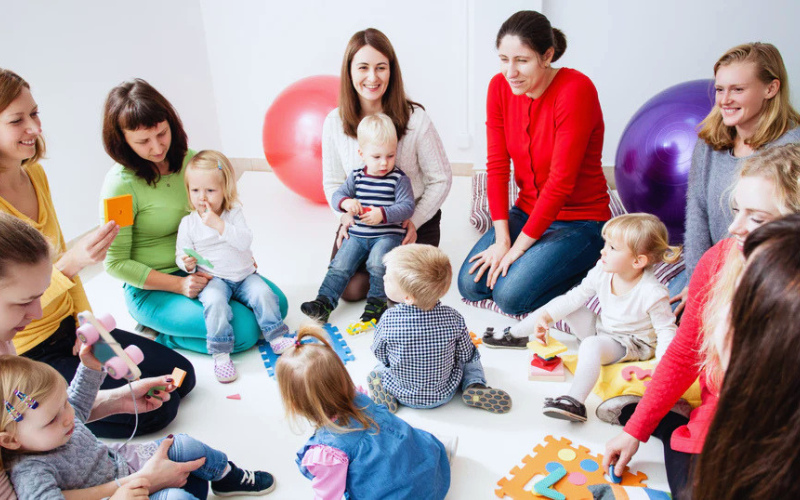
When families accept a diagnosis, they are better positioned to access resources, pursue therapies when appropriate, and create opportunities that support their child’s development and well-being
Your support goes a long way
Some autistic individuals may unexpectedly leave a safe environment due to curiosity, sensory needs, anxiety, or difficulty recognizing danger.
Some individuals may struggle to communicate when they are hurt, lost, frightened, or in need of help.
Certain individuals may not fully understand risks associated with roads, water, strangers, heights, or other hazards.
Autism affects not only the individual but also parents, siblings, grandparents, caregivers, and extended family members.
No family should have to navigate the autism journey alone.
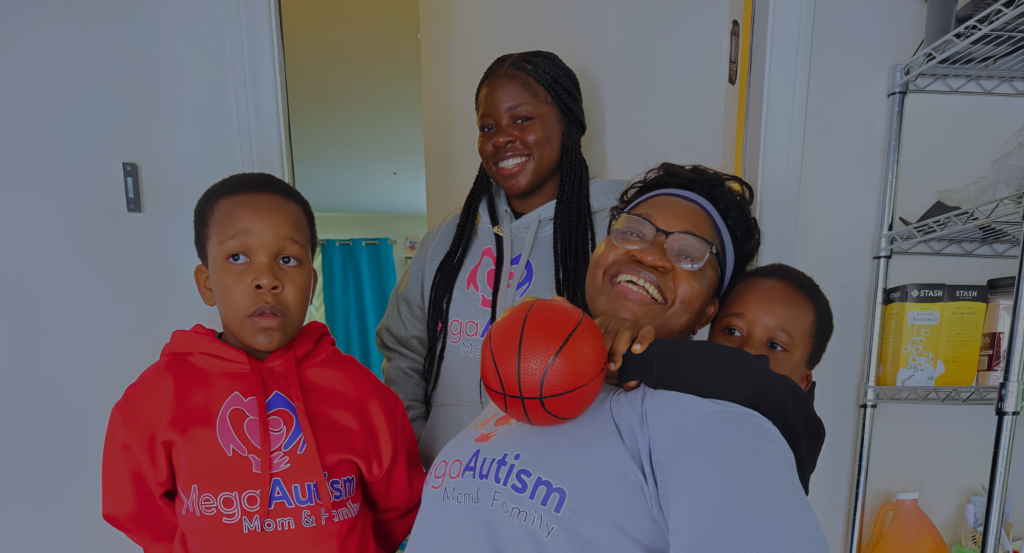
Together, we build understanding. Together, we create opportunities. Together, we support every family.
© 2026 AMM Foundation
WhatsApp us